
Interprofessional Education
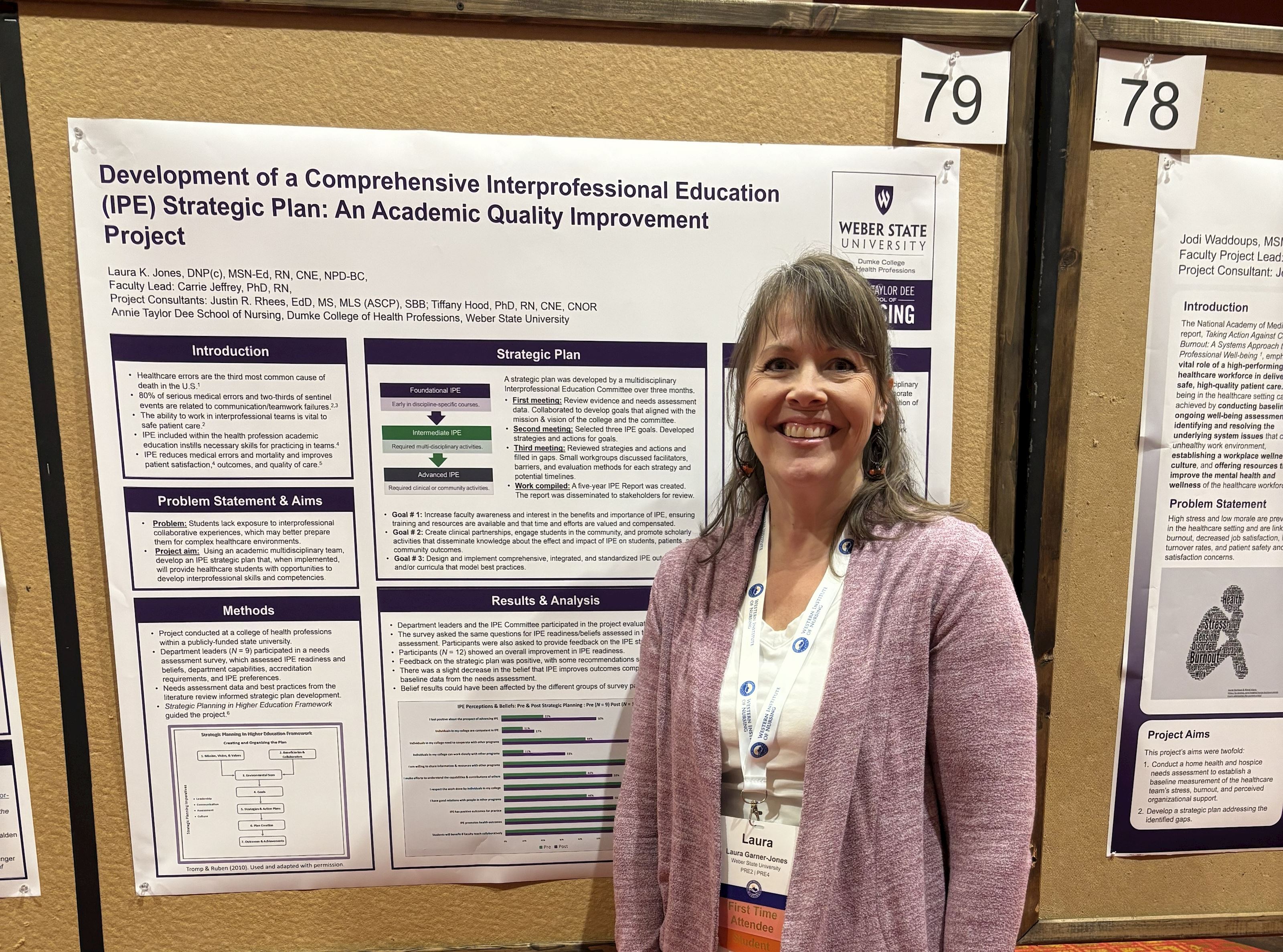
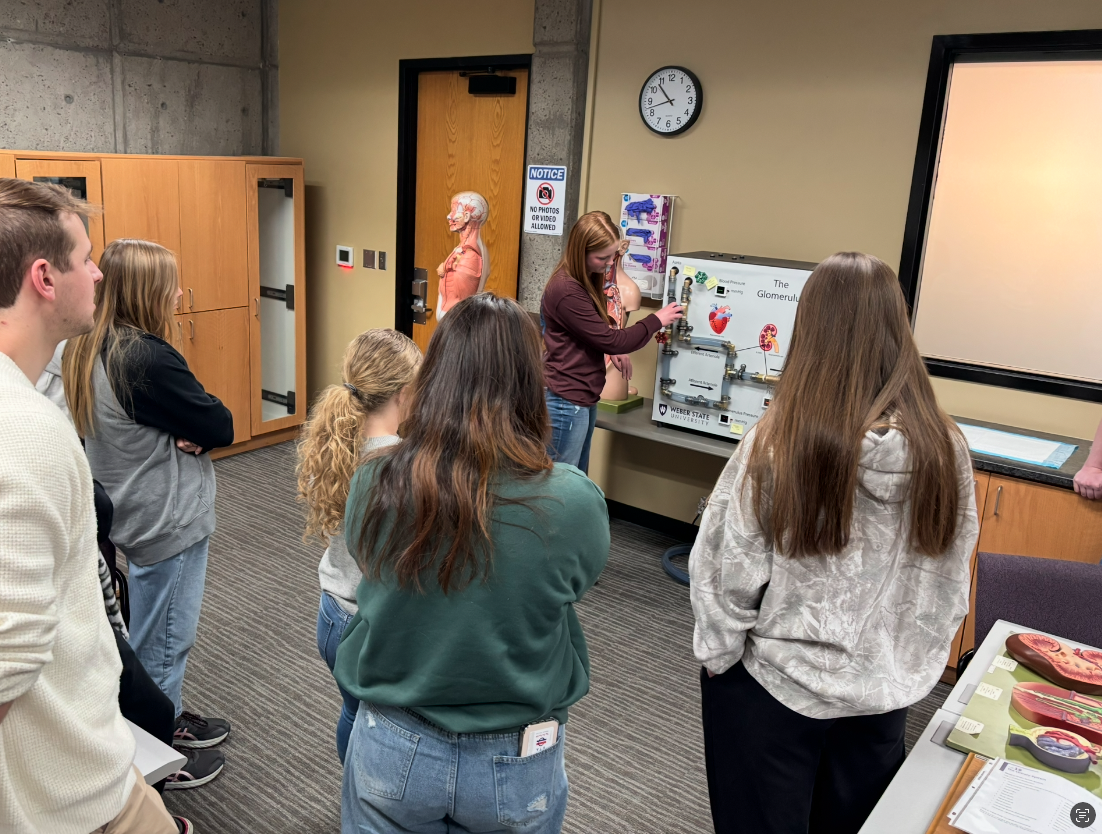
The Dr. Ezekiel R. Dumke College of Health Professions Interprofessional Education (IPE) Committee promotes educational collaboration among students and faculty. The committee prepares highly competent and compassionate healthcare professionals who utilize interprofessional communication and teamwork to optimize patient outcomes. It also educates and develops highly impactful interprofessional leaders in healthcare.
Vision
The Dumke College of Health Professions Interprofessional Education Committee works to develop interprofessional leaders prepared to change the healthcare environment by:
- Maintaining a climate of mutual respect
- Encouraging interprofessional collaboration among faculty and students
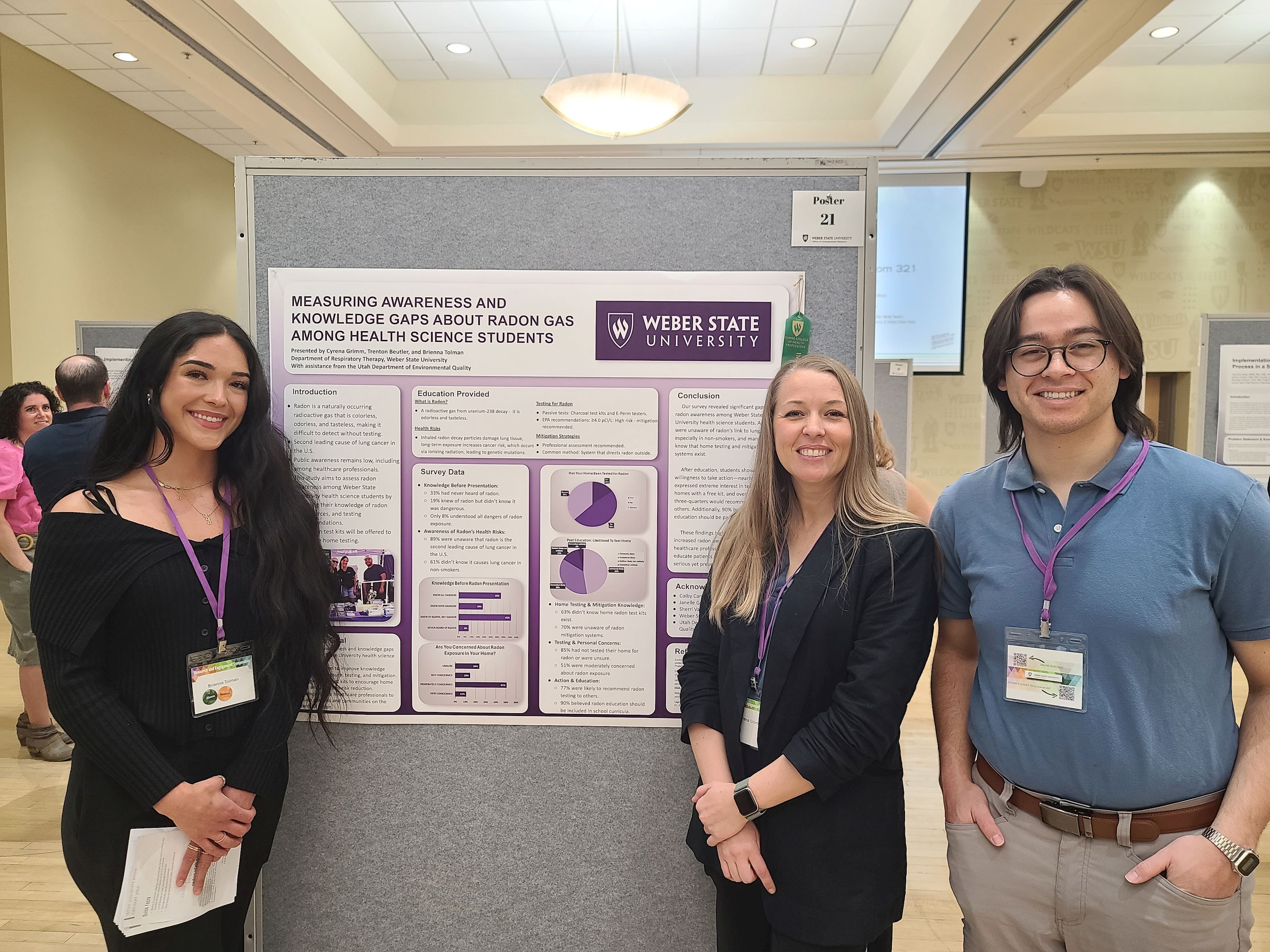
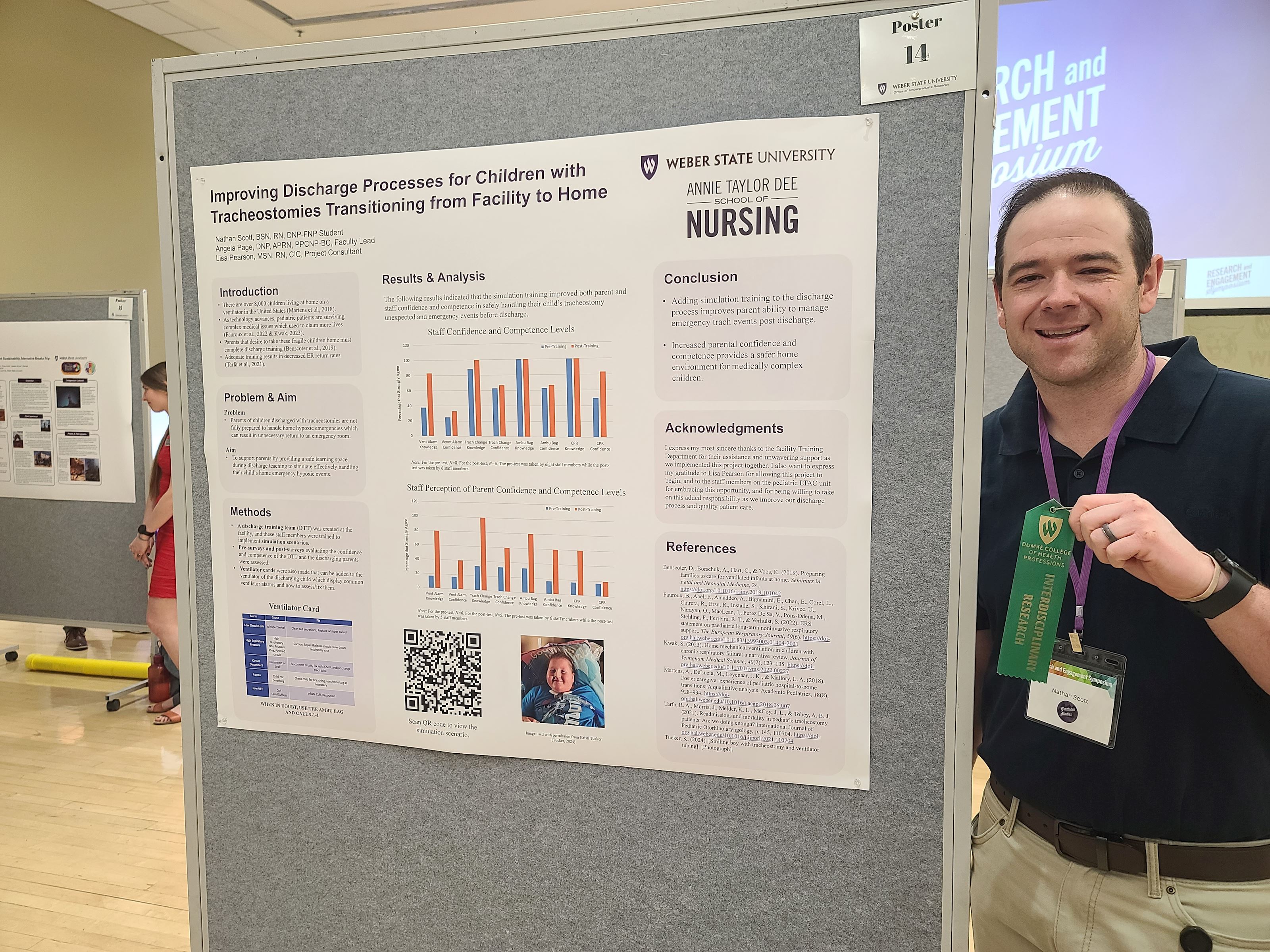
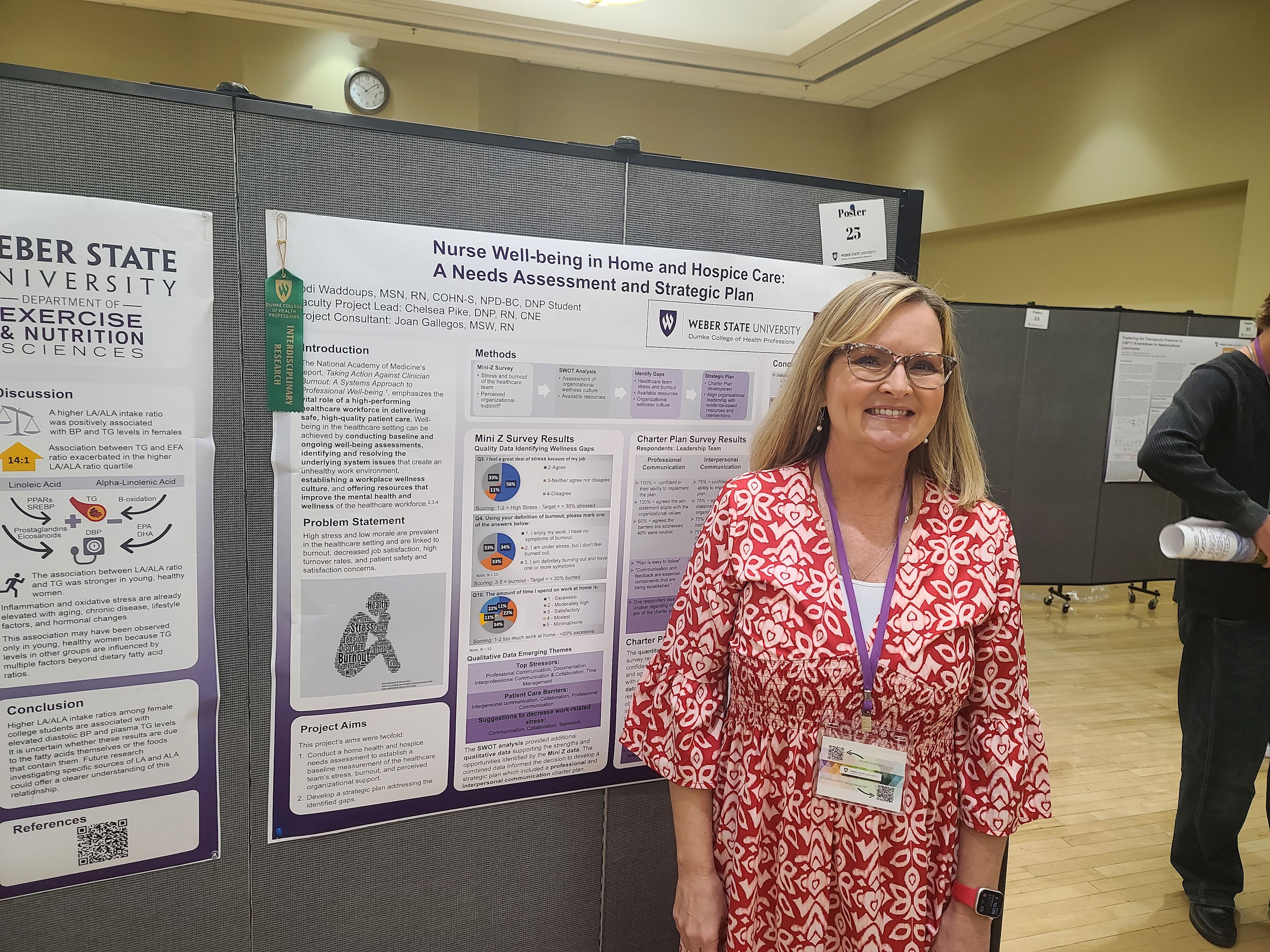
- Conducting interdisciplinary research
- Enhancing educational outcomes
Working with the Bachelor of Interdisciplinary Studies program at Weber State University.

"I came to Weber State as an incredibly lost college sophomore, feeling like I knew I wanted to be in school, but I didn’t feel like any major was a perfect fit for me. The BIS program attracted me because it allowed me to craft my education toward what specifically interested me. I had more room for exploration in my four years than I ever dreamed possible and incredible mentors to help me navigate the process. The BIS program made it, so I didn’t need to squeeze myself into a box. I could pursue all the things that excited me and find a path where I didn’t have to sacrifice any of them in the name of a degree. Having such a basis of passion in my undergraduate studies has made me a strong and unique candidate for employment and graduate schools. Still, more importantly, it has set me up for a joyful and purpose-driven life."
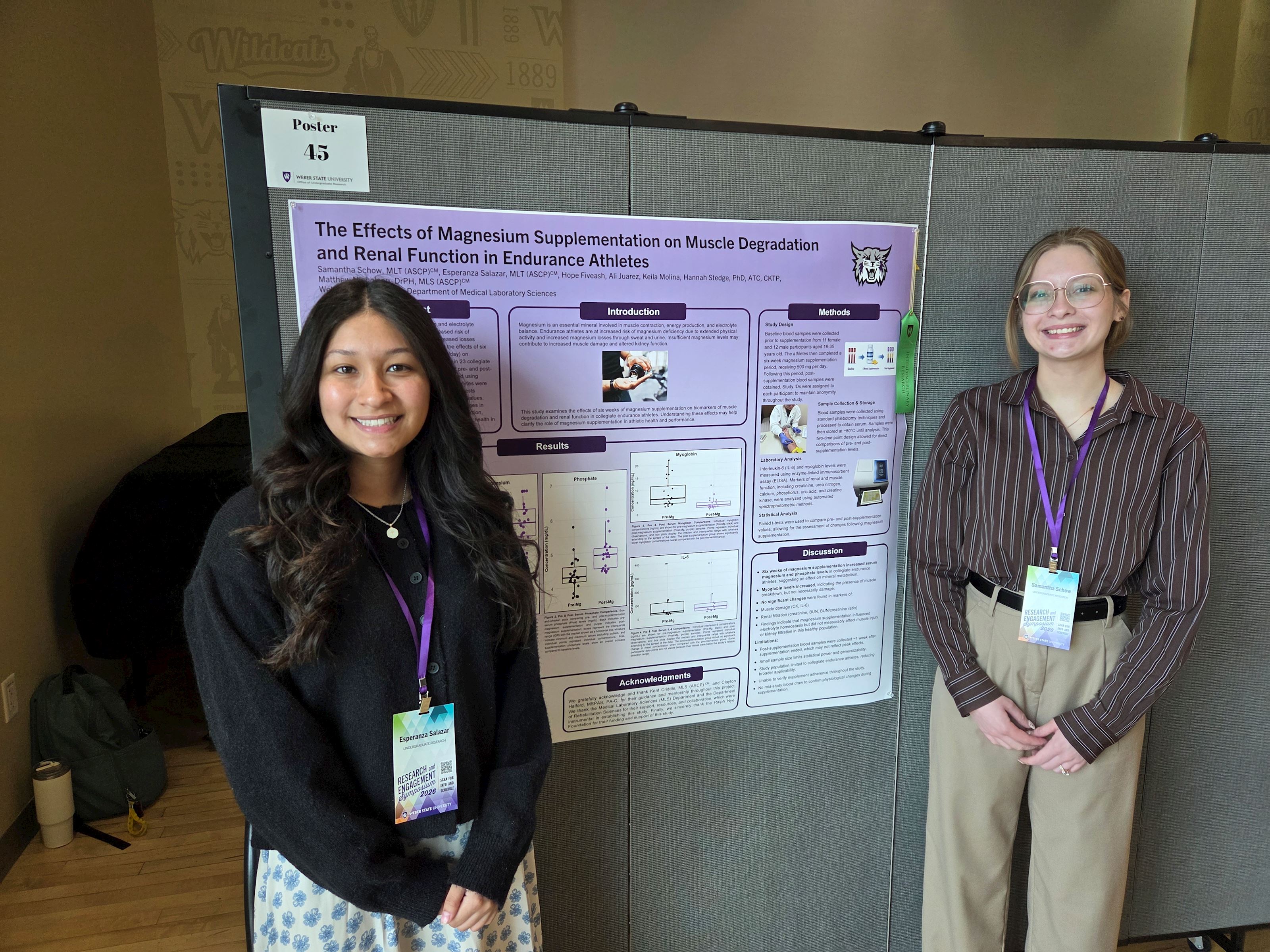
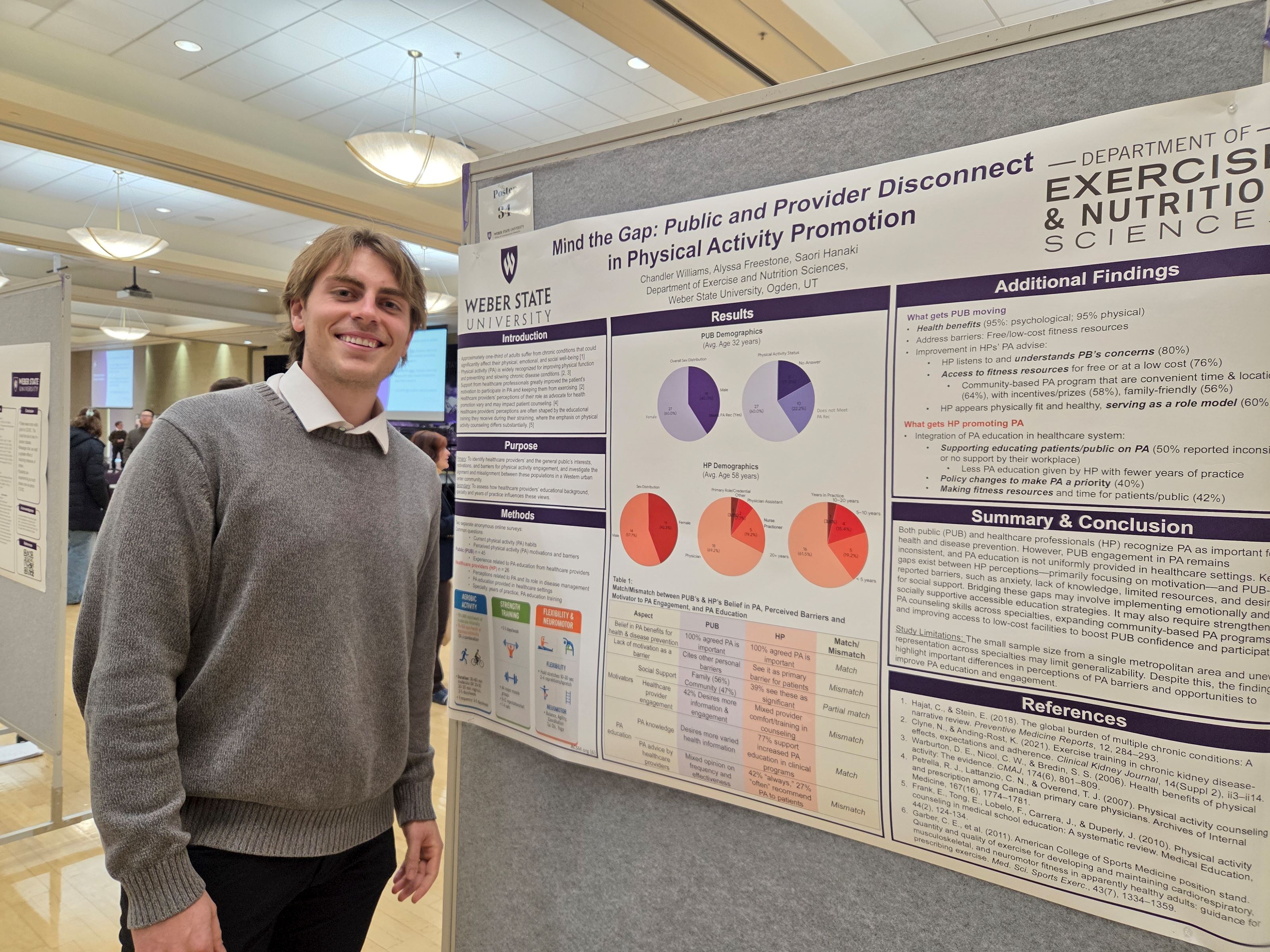
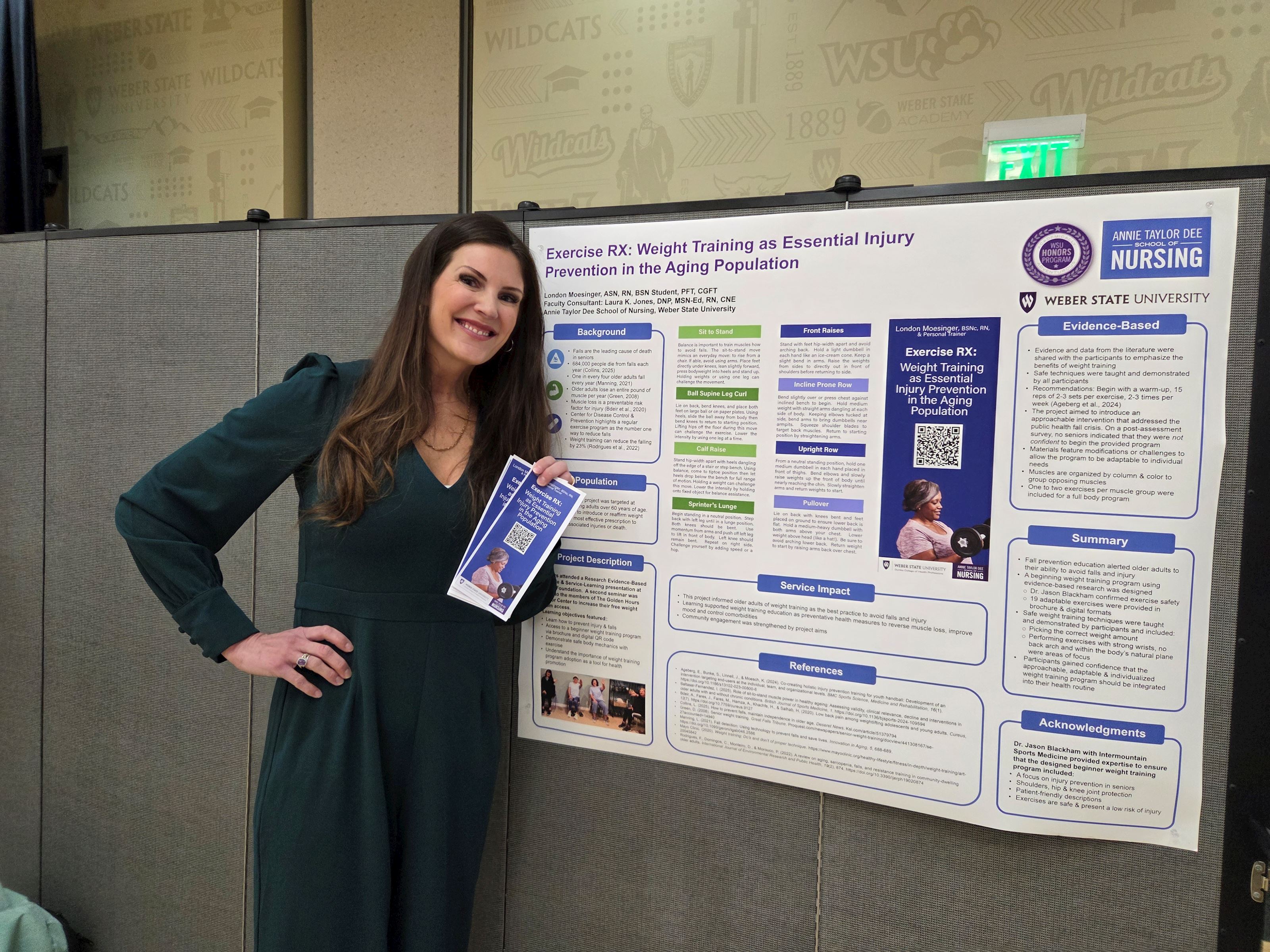
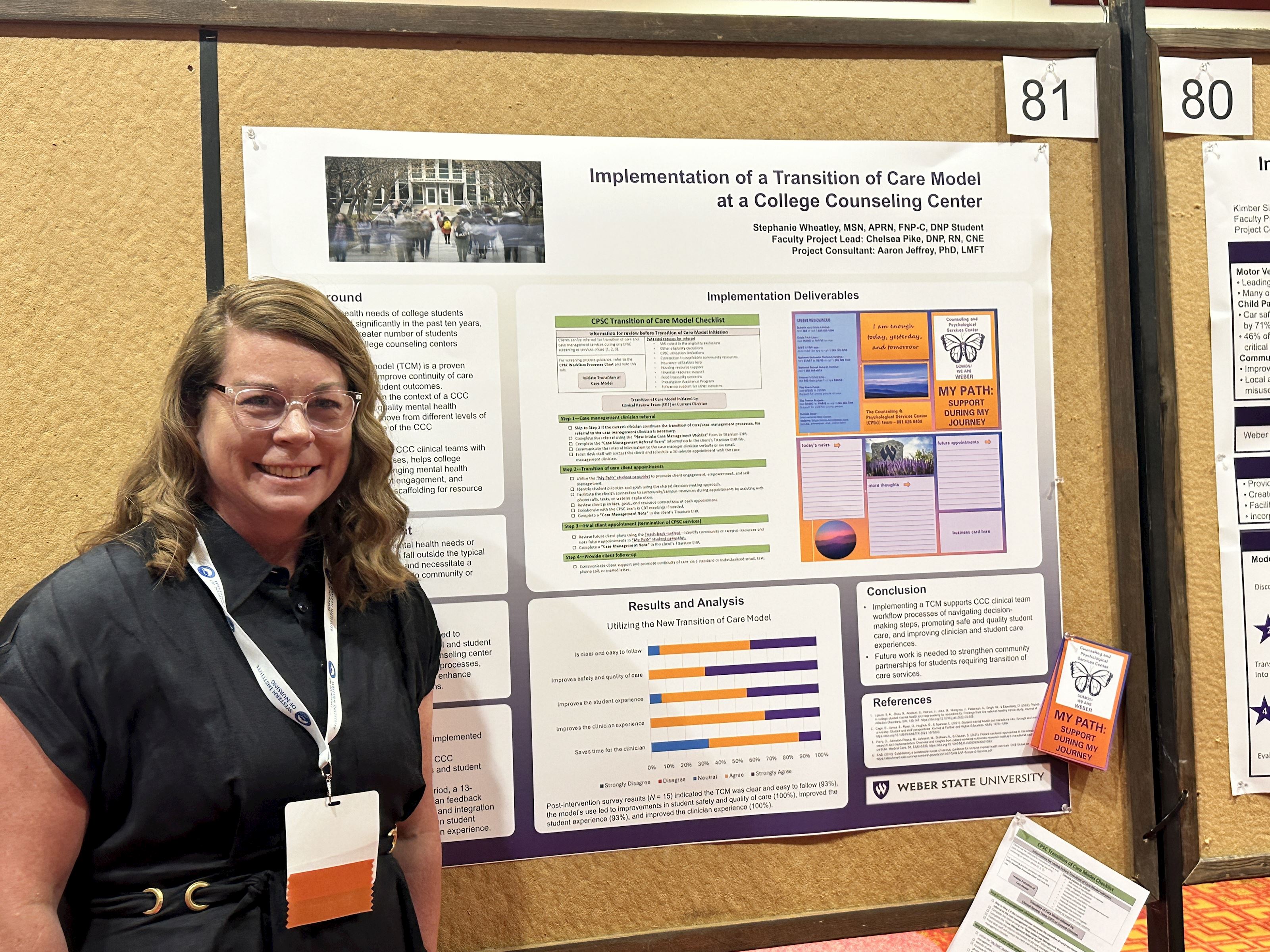
Ghana
Interprofessional education is a way to break down barriers in healthcare and allow students to learn from others outside of their field. Our Ghana study abroad trip incorporated students from medical laboratory science, nursing, social work, interior design and construction management.
We traveled to the campus of Ghana Make a Difference to help build a new school for their rescued children, upgrade existing structures, screen community members for upcoming surgical medical missions, and check the overall health of the children at the school and the surrounding communities.
Nursing, social work and medical laboratory science students worked together to provide medical screenings for hundreds of patients in Accra, Ghana.
Learn about the Ghana Study Abroad program by visiting the Study Abroad website or by watching the Medical Fieldwork in Ghana video.
New IPE Courses
Nursing 3440 Resilience in Healthcare
The healthcare profession is highly rewarding, yet it often comes with significant stress. This course explores the factors contributing to stress among healthcare professionals. Burnout is a common consequence of workplace stress, and students will examine its causes while learning effective strategies for prevention and intervention.
MLS 4110/ HNRS 2040LS/ HNRS 4920 Collaborative Care: Interdisciplinary Healthcare Teams
In this course, medical professionals from all disciplines will develop the skills to collaborate effectively, communicate across roles, and build strategies to enhance patient care. By exploring the responsibilities and scope of practice of various healthcare professions, you will gain a deeper understanding of team dynamics, resilience, conflict resolution, and cultural competence. The curriculum emphasizes sustainable practices and interdisciplinary teamwork, equipping you with the tools to navigate complex healthcare environments and improve patient-centered outcomes.
PAR 3110 Critical Care Transport
This course will prepare experienced paramedics and registered nurses to become part of a highly functioning critical care transport team, often transporting high risk patients. Topics covered include; 1) History and role of critical care transport; 2) General principles of critical care transport, 3) Patient care principles 4) Trauma emergencies; 5) Medical emergencies; 6) Environmental emergencies 7) Special populations, and 8) Medical, legal and patient care issues in critical care transport. While the course is primarily oriented to ground transportation, the content presented will allow a student take the National Flight Nurse/Paramedic exam.