



skip to content
  • Calendar
  • Maps

Occupational Therapy Assistant at Weber State

Weber State’s Bachelor of Science in Occupational Therapy Assistant (OTA) prepares you to become a licensed OTA ready to help people of all ages live more independently and engage in the activities that matter most. From supporting children in school to helping older adults recover after illness or injury, OTAs make a direct impact on daily life.

Occupational Therapy Assistant Highlights

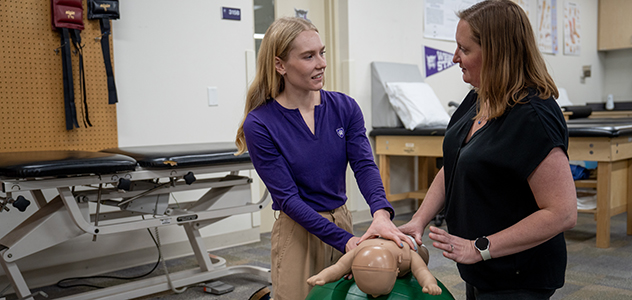
Weber State is a State and National leader in health sciences education and is recognized throughout the community for producing high-quality healthcare graduates. The OTA program at WSU emphasizes hands-on, experiential learning so students gain the clinical skills, professional confidence, and real-world experience needed to succeed in today’s healthcare settings.

Students enter the program as juniors in a full-time, cohort-based model and graduate with a Bachelor of Science in Occupational Therapy Assistant, prepared to pass the NBCOT national certification exam and begin a rewarding healthcare career. If desired, graduates are also well prepared to continue on to advanced study in occupational therapy, physical therapy, physician assistant medicine, or medical school.

U.S. News & World Report ranks occupational therapy assistants among the top healthcare support jobs for job satisfaction, growth, and work-life balance, making OTA at Weber State a smart choice for both immediate career opportunities and long-term advancement.

Beyond the Classroom

At Weber State, you’ll learn through face-to-face classes, online experiences, interactive labs, and two full-time internships in professional settings such as hospitals, schools, outpatient clinics, skilled nursing facilities, and community programs. This combination of classroom and real-world training ensures you graduate career-ready.

What You’ll LEARN at Weber

You’ll gain the knowledge and practical skills to help people of all ages live more independently and participate in the activities that matter most. Coursework blends classroom learning, labs, and clinical experiences to prepare you for immediate entry into the workforce and future graduate studies.

You’ll develop competencies in areas such as:

  • Human anatomy, movement sciences, and therapeutic modalities
  • Orthopedic and neurological rehabilitation techniques
  • Patient care, communication, and cultural responsiveness
  • Evidence-based practice, ethics, leadership, and teamwork

In your final semester, you’ll complete two full-time, 8-week internships in hospitals, schools, skilled nursing facilities, outpatient clinics, or community programs. These immersive experiences ensure you graduate prepared to pass the National Board for Certification in Occupational Therapy national certification exam and succeed as a licensed OTA.

What You CAN DO After Weber

Occupational therapy assistants work in hospitals, rehabilitation centers, skilled nursing facilities, outpatient clinics, schools, home health, and community-based programs—helping people regain independence, adapt to challenges, and participate in meaningful daily activities.

Graduates interested in continuing their education will also be well-prepared for advanced study in occupational therapy, physical therapy, physician assistant medicine, or medical school, making this degree both a career entry point and a foundation for professional growth.

If you have questions, contact a WSU Career Advisor.

Faculty Perspective

Occupational therapy is a well-paying and deeply satisfying profession that blends science, problem-solving, creativity, and compassion. What I love most about teaching and mentoring students in this field is that when you become an occupational therapy practitioner, you step into a career that truly has the power to change lives.

Robyn Thompson