


Studying Anthropology at Weber State
Weber State’s anthropology program studies human differences and similarities, culturally and biologically, around the world throughout time. Choose between general anthropology or archaeology tracks, or complete an anthropology minor.
Anthropology Highlights
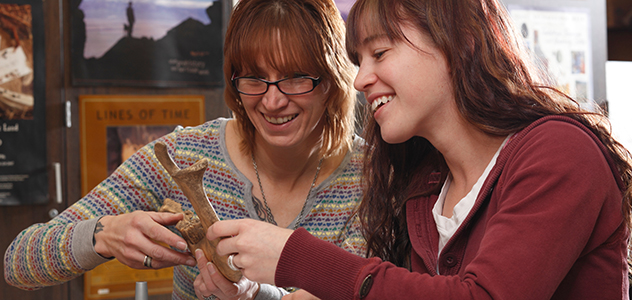
Weber State anthropology students get hands-on training in well-equipped archaeology, biological anthropology, and paleoenvironmental labs.
Beyond the Classroom
As an anthropology major, you can participate in the Summer Archaeology Field School study abroad and regional field trips. Our classes and lab facilities provide students with hands-on, experiential learning and internship opportunities in archaeological and zooarchaeological field methods, forensic anthropology, paleoenvironmental research, ethnographic fieldwork, and qualitative research skills, which are widely applicable across the public and private sectors.

Lisa Robertson
“The anthropology program gave me the fundamentals I needed to pursue a career in archaeology. The program offers a beautiful setting where faculty are advocates for their students.”