
The W
In the Beginning
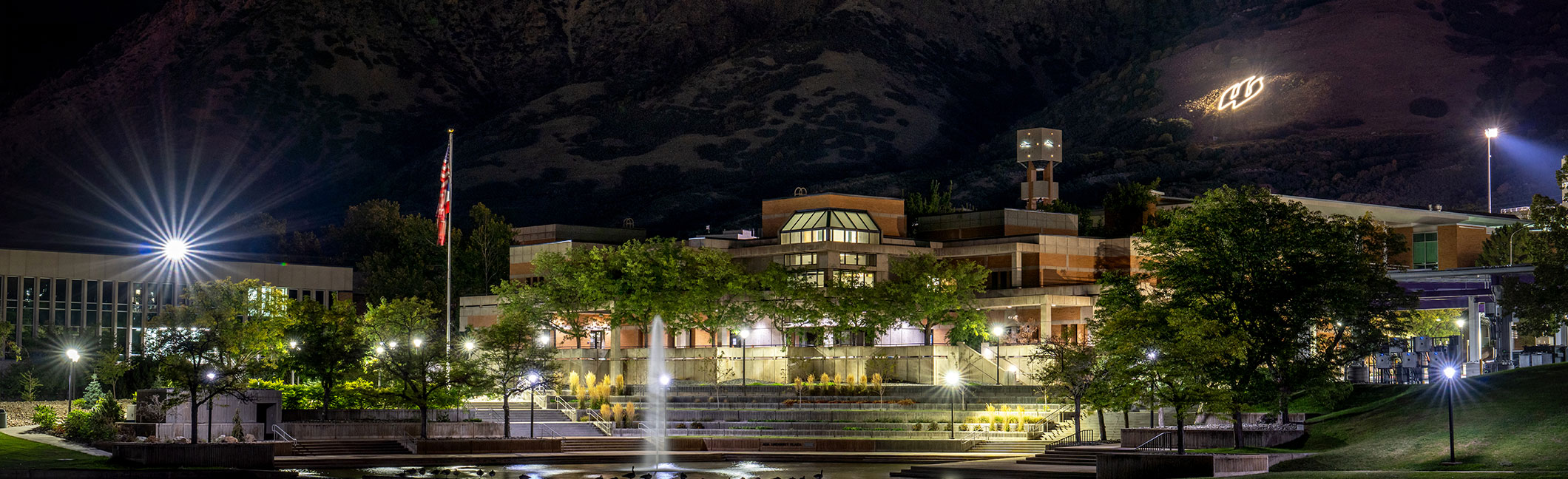
The mountainside W has come and gone throughout Weber State history, since the first Flaming W was lit in 1937 with 100 cans of kerosene and burlap sacks for wick. In the decades after, different versions were made with planted bushes and painted white rocks — and a wide variety of burning objects, until flares started a brush fire in 1957.
The electric lighted W became an annual Homecoming tradition thanks to J. Farrell Shepherd and university electrician Lynn Kraaima, who figured out a way to make it work in 1979. The design has been updated and installation simplified, but putting it together is a challenging process each year.
The temporary lighted W, year after year, has ignited Wildcat spirit and community pride, and also inspired dreams of having a permanent W on the mountain. After years of researching options, we’re excited to announce we’ve found a way to make it happen.
A Permanent Presence
The permanent Flaming W on the mountain was built in the same area above the Ogden campus on Weber State property. We believe it is the first hillside letter built with solar panels — reflecting WSU’s strong commitment to sustainability and also contributing electricity back to the grid.
The W is lit with purple and white lights, along with various patterns, to celebrate key events and athletic victories.

Construction Process
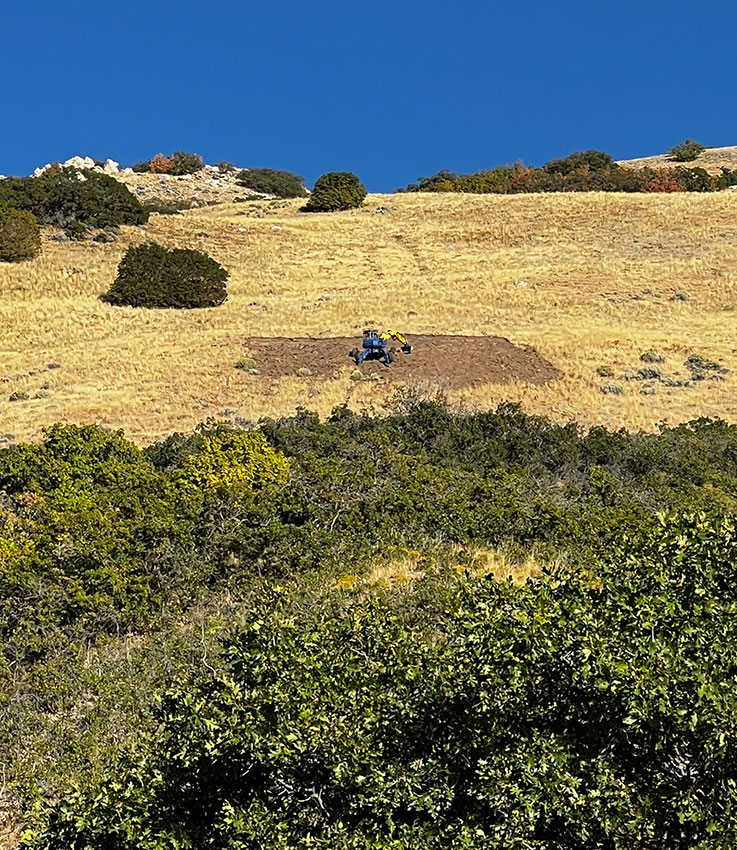
Construction on the W was completed in two phases -- fall 2024 and spring 2025.
Phase 1
Crews prepared the hillside for installation.
Phase 2
Solar panels and lighting was installed in spring and summer of 2025 and the official lighting of the W took place during halftime of a WSU football game on Sept. 20, 2025.
Construction Photos




Leaving the Area Better Than We Found It
Having minimal environmental and community impact was a huge consideration and goal for this project.
The hill and surrounding area was repaired and even improved when construction finished. The site was reseeded to bring back the natural vegetation and restore the habitat.
This project was designed by VCBO Architects and built by Jacobsen Construction.