
Dr. A. Tye Gardner

Education
Ph.D. at University of Utah
M.S. at University of Utah
B.S. at University of Utah
Curriculum Vitae
Contact Information
Email: averygardner@weber.edu
Phone: 801-626-6895
Office Location: NB 201C
Mail Code 1803
Courses Taught
ECE 2700 - Digital Circuits
ECE 3610 - Digital Systems
ECE 6140 - Sensors and Instrumentation
Research Areas of Interest
I am an Electrical Engineer with an emphasis on applied sensor systems with an emphasis on interdisciplinary research. I was an NSF Graduate Research Fellow at the University of Utah, a graduate research assistant at Lawrence Berkeley National Labs and have worked in both software and hardware R&D for companies such as L-3 and local Utah startup Ripple Neuro.
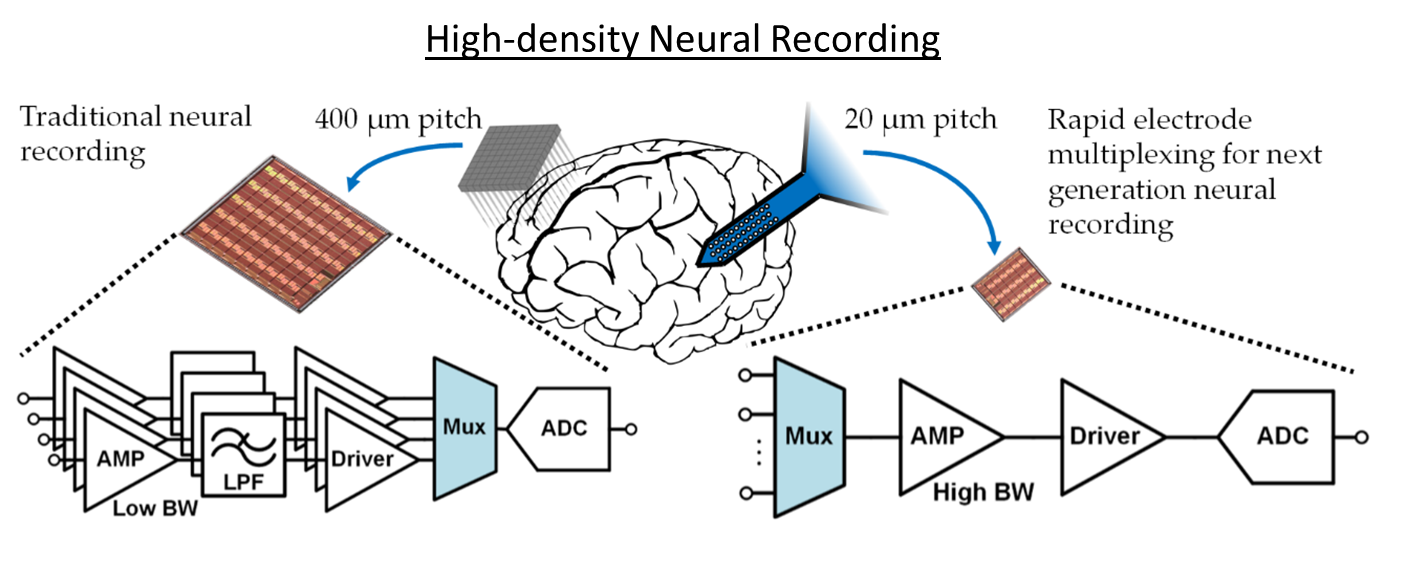
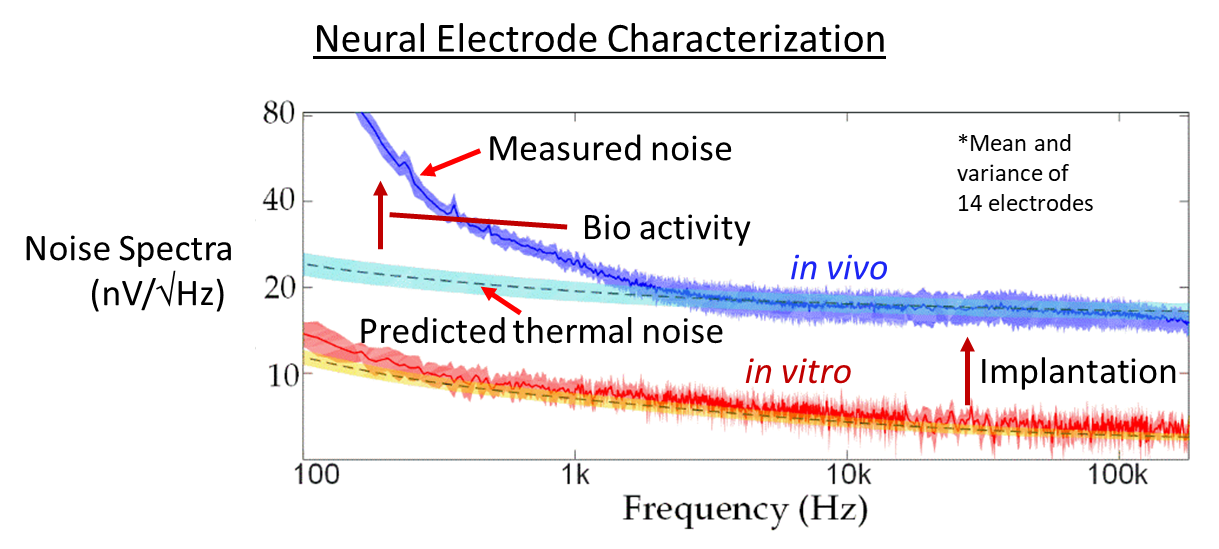
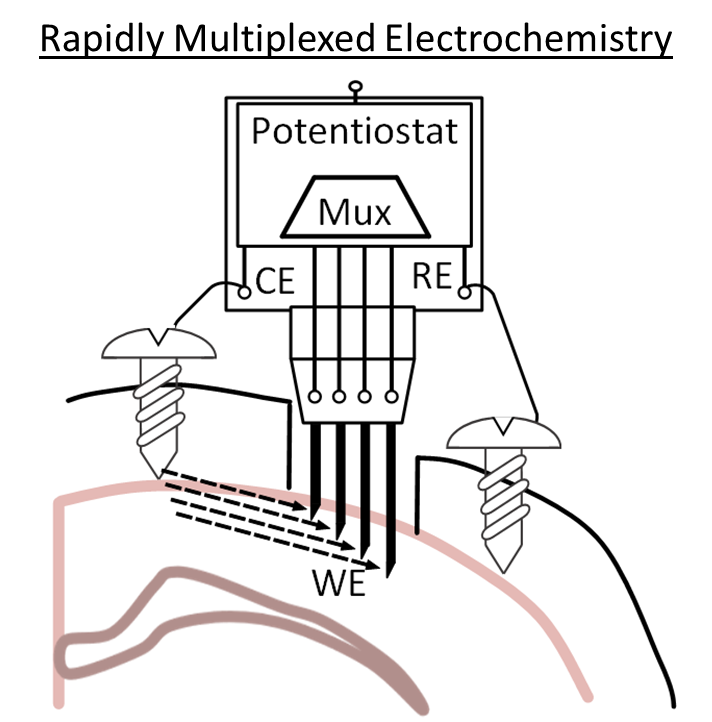
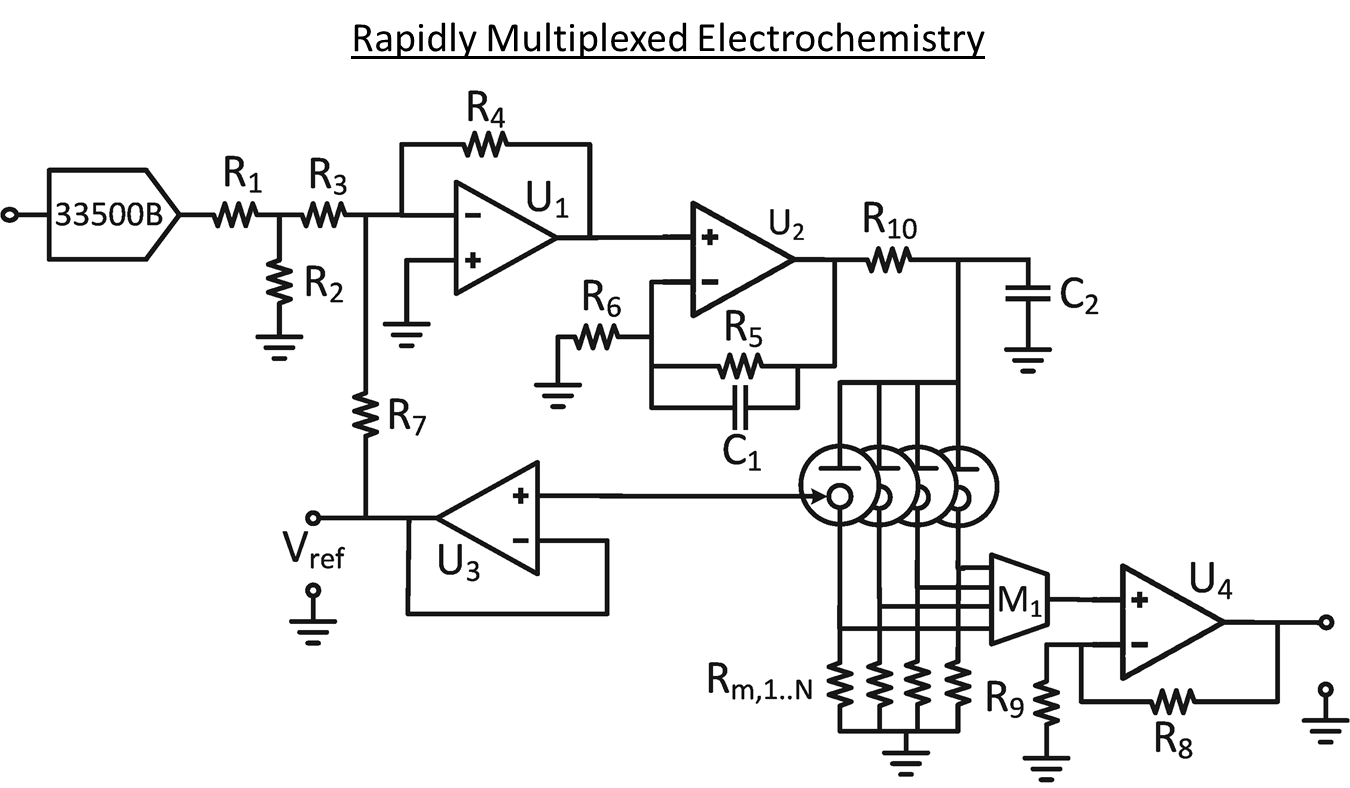
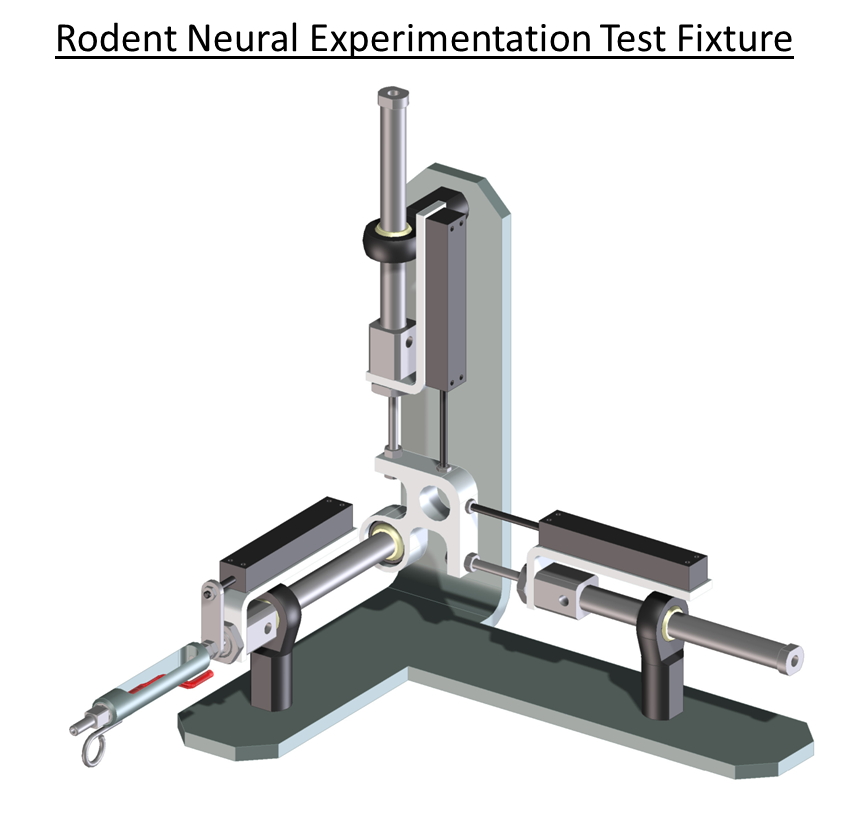
My past work includes radar detection methods for astrophysics, CCD imagining for high-energy particle accelerators, pneumatically controlled experimental test fixtures, bio-realistic signal generation, and precision instrumentation for neural recording and electrochemistry. My most recent works focused on electrochemical characterizations of implanted electrode arrays and the design of electronics to enable these measurements, including low-noise amplifier design and a rapidly multiplexed potentiostat for high-density electrode arrays.
I have continuing interests anywhere new sensors are needed to advance fundamental science. This work includes analog and digital circuit design, as well as exploring how the rapidly advancing field of 3D printing can be applied to bio-interfaces.