
.svg)
Architectural Design
To empower aspiring architects and designers with the knowledge, skills, and creativity to design and build a better future.
Architectural Design Degree at Weber State University
Weber State University Davis in Layton, Utah offers a comprehensive Architectural Design program that equips students with the skills and knowledge necessary for careers in the design and construction of the built environment. Our interdisciplinary design-build program includes coursework in Architectural Design, Interior Design, and Construction Management. The WSU program integrates both architecture and drafting, providing students with the combined advantages of each discipline within a single curriculum. We specialize in teaching you the skills necessary to be employable within a year so you can “Earn while you learn”. Come learn the architectural design process to "Dream It, Design It, and Build It". Our program engages students with hands-on model building, materials & methods labs, field trips, tours, guest speakers, 3D modeling/scanning/printing, and optional study abroad trips. Architectural Design major students graduate prepared for various roles in architectural design firms, construction companies, and engineering firms, with the potential to pursue certifications or licensure as professional building designers or architects. On your journey you can also work towards certification or licensure as a Certified Professional Building Designer or Architect.
Associate of Applied Science
Institutional Certificate
Bachelor of Science
Minor

Architectural Design Courses at WSU
- Drafting (2D & 3D)
- Residential Design
- Commercial Design
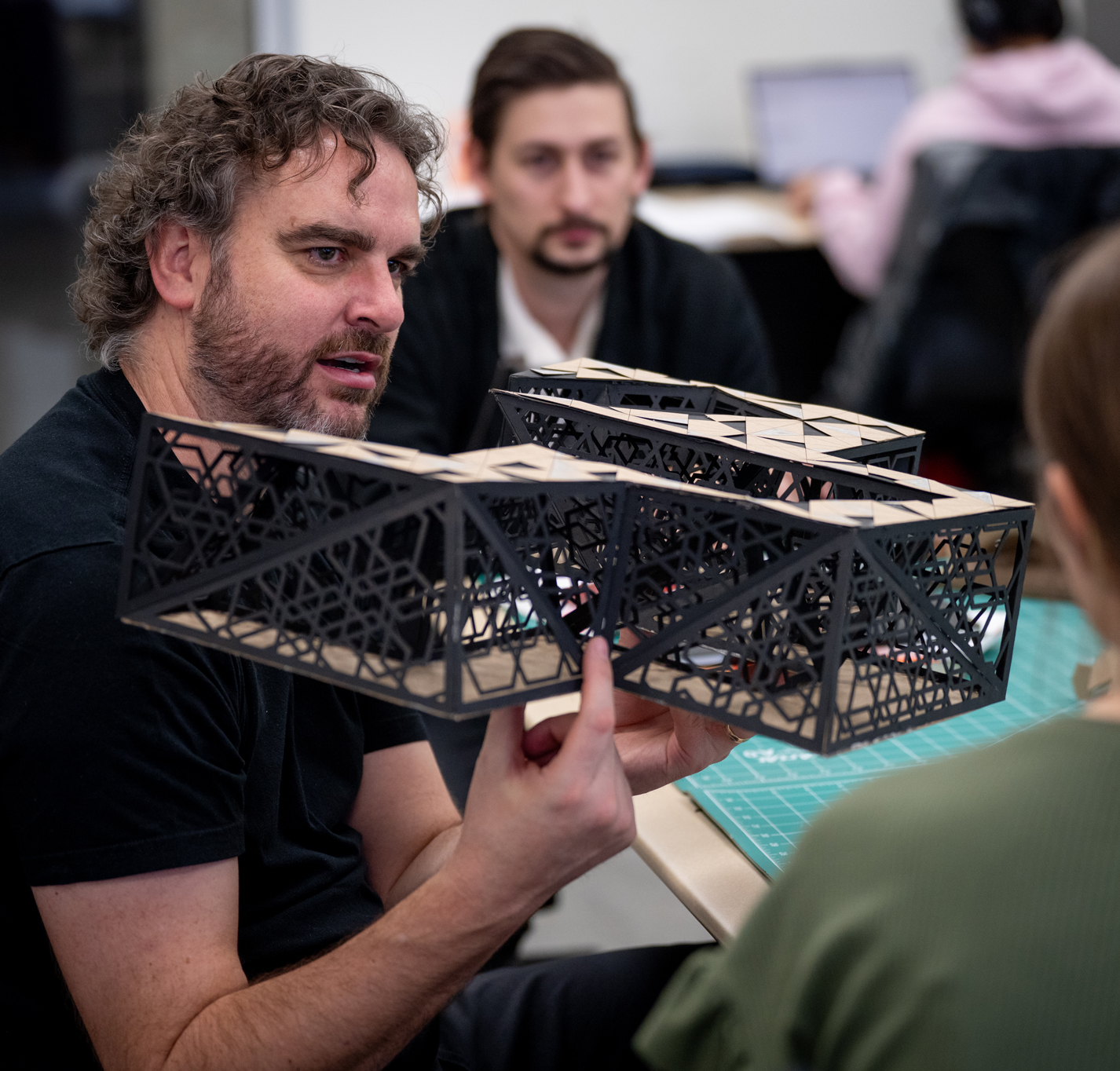
- Creating Physical Architectural Models
- 3D Rendering
- Studio Classes
- BIM (Building Information Modeling) Management
- Sustainability
- Design Charrette Competition: This is a 48 hour competition where students work with students from other programs (Construction Management and Interior Design) to solve a problem through design
- Residential Design Studio
- Architectural Rendering & Animation
- Sustainable Building Design & Codes
- Commercial Design Studio
- Structure for Architects & Construction Managers
- LEED-GA Preparation
- Construction Cost Estimating

Architectural Design Major Key Teaching Methods:
- Studio-Based Learning – Students work on architectural projects, applying design principles and receiving feedback from instructors.
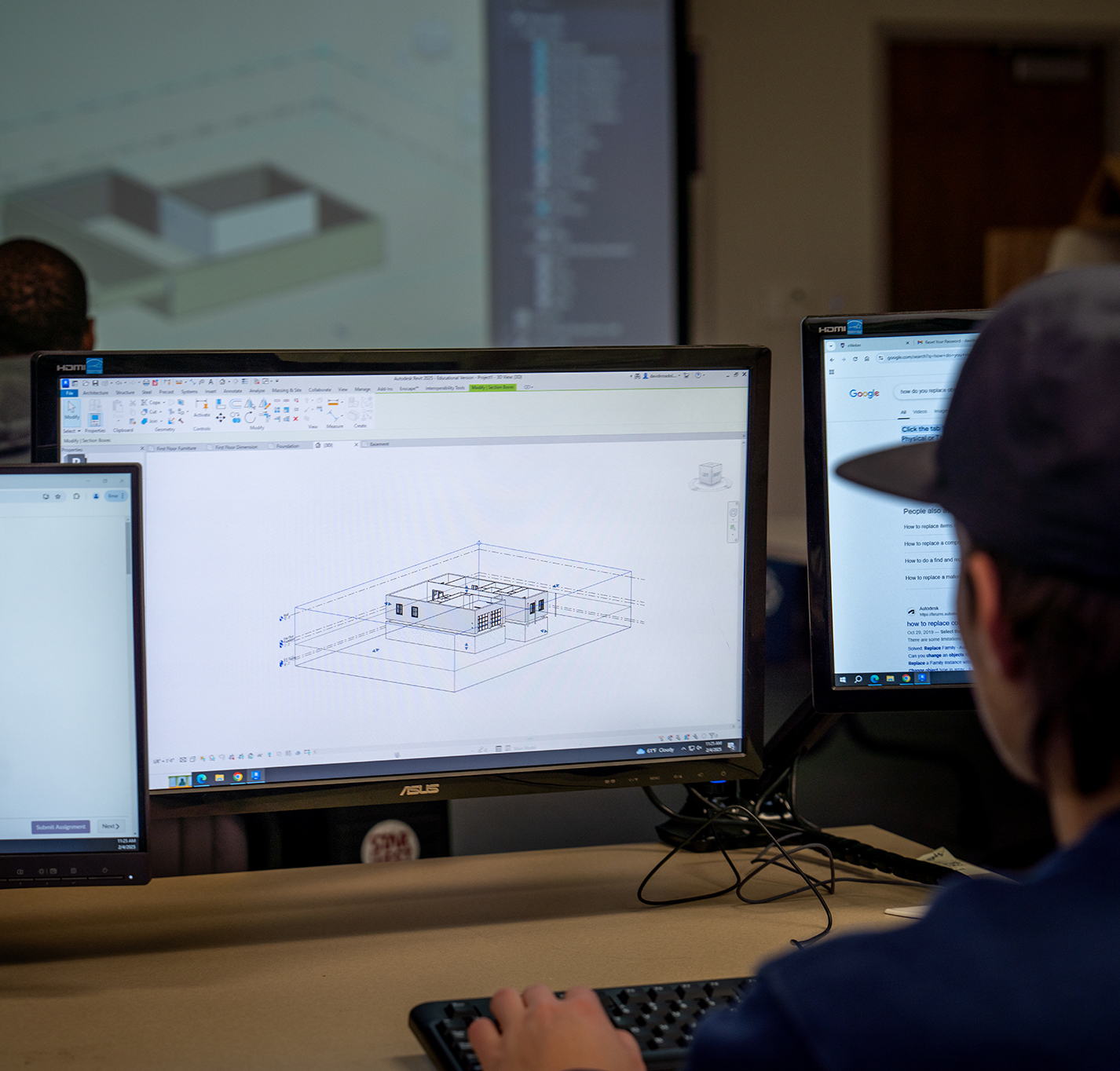
- Hands-On Experience – Courses emphasize sketching, drafting, and 3D modeling, often using industry-standard software like AutoCAD, Revit (BIM), and SketchUp.
- Sustainability & BIM Integration – A strong focus on green building practices and Building Information Modeling (BIM) prepares students for modern design challenges.
- Collaboration & Industry Exposure – Courses often involve team projects, guest lectures from industry professionals, and site visits to construction and design firms.
- Capstone & Portfolio Development – Students complete a final design project showcasing their skills, helping them build a professional portfolio for future job opportunities.
Why Choose Weber State University?
WSU’s curriculum covers both residential and commercial design, emphasizing Building Information Modeling (BIM) and sustainable building practices to prepare students for modern architectural challenges. With small class sizes, students receive personalized instruction from experienced faculty, along with hands-on learning opportunities and industry partnership. Graduates are well-prepared for careers in architectural design firms, construction companies, and engineering firms, with pathways to certifications or licensure. Additionally, WSU offers affordable tuition and strong job placement support, making it a great choice for aspiring architectural designers.
Architectural Design Salary
According to the 24th Annual AUGI Salary Survey published in The Official Publication of the AUGI Design Community (September 2025), the average overall salary is $95,287. On average, men earn $96,656, while women earn $88,967.
When comparing pay by work location, professionals working remotely earn the highest average salary at $98,189, followed by those in urban areas at $97,269, suburban areas at $91,075, and rural areas at $86,740.
Salaries generally increase with experience, starting at $79,687 for those with 0–2 years and peaking at $98,591 for professionals with 15–20 years. After that, pay levels off slightly, averaging $97,611 for 21–30 years and $96,126 for 31–50 years of experience.