
Careers in Botany and Plant Ecology
You can make an impact on this world by using your degree in a variety of fields.
Graduates often go on to careers in
- Agriculture and Horticulture
- Biotechnology
- Conservation and Natural Resource Management
- Ecology
- Ethnobotany
- Forestry
- Pharmaceuticals or Natural Products
- Plant Breeding and Genetics
- Plant Pathology
You'll also be prepared for graduate studies or professional schools such as pharmacy, natural medicine and medicine.
Salaries
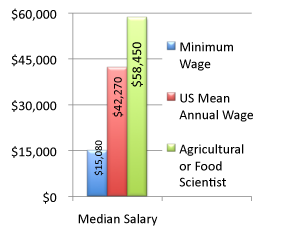
$58,450
The median annual wage of agricultural and food scientists was $58,450 in 2010. That works out to be $28.10 per hour. Check out the occupational handbook for more information on the job outlook for botanists.
Office hours
Monday - Friday
8:30 a.m. - 4:30 p.m.
Room TY424, Mail Code 2504
Mailing address
Weber State University
Department of Botany
and Plant Ecology
1415 Edvalson St., Dept. 2504
Ogden, UT 84408-2504